Quick Overview
Best Time to Visit: October to February
Weather: Cool winters, hot summers
Budget: ₹1,500–₹8,000/day
Speciality: UNESCO World Heritage Buddhist Cave Monuments
Plan Your Trip
Getting There
Nearest Airport: Aurangabad Airport (Chikkalthana), ~100 km from Ajanta Caves
By Train: Jalgaon Railway Station (~60 km) and Aurangabad Railway Station (~100 km) connect to major cities
By Road: Well-connected via NH753; state transport buses and private cabs available from Aurangabad
Where to Stay?
Aurangabad – gateway city with hotels ranging from budget to luxury, close to both Ajanta and Ellora
MTDC Ajanta Resort – closest accommodation option, located near the cave complex with basic amenities
Packing List
- Light cotton clothing
- Comfortable walking shoes (remove before entering caves)
- Hat and sunglasses
- Sunscreen
- Reusable water bottle
- Flashlight or torch (helpful inside darker caves)
Top Places to Visit
Ajanta Caves
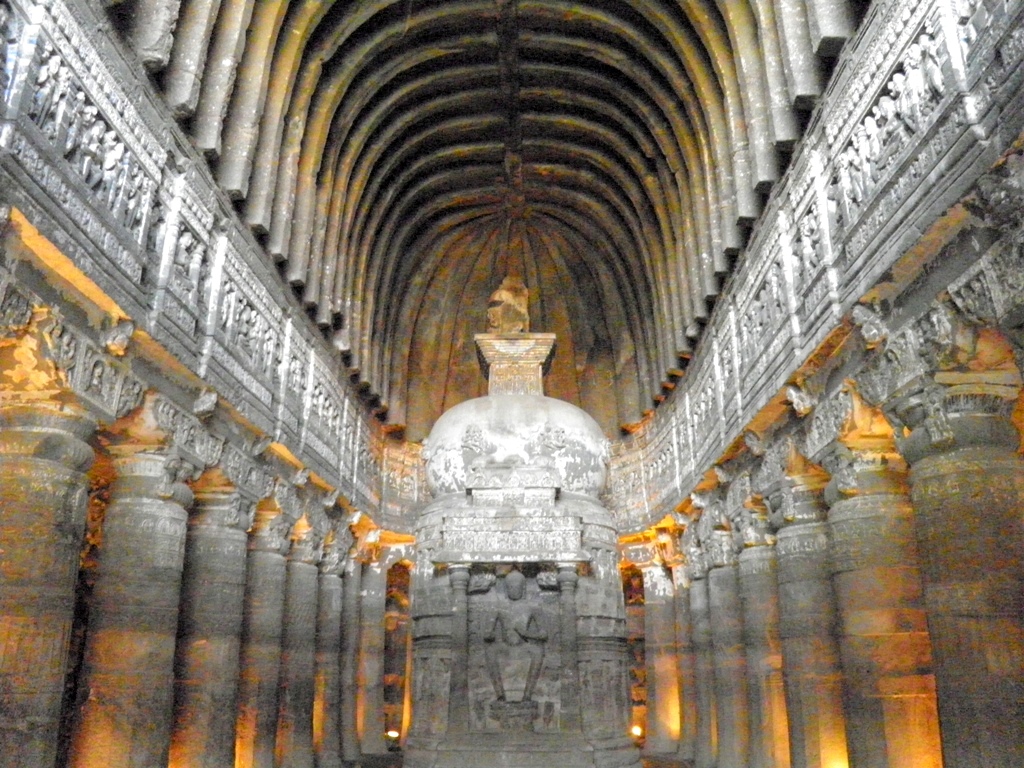
A horseshoe-shaped complex of 30 rock-cut Buddhist cave monuments dating from 2nd century BCE to 6th century CE, featuring exquisite murals and sculptures.
Cave 1
The most beautifully decorated cave, housing the iconic Bodhisattva Padmapani and Vajrapani paintings that showcase ancient Indian artistry.
Cave 2
Renowned for its elaborate ceiling paintings and murals depicting Jataka tales and scenes from Buddha’s life.
Cave 16
Known for well-preserved paintings and an inscription by Minister Varahadeva, offering insight into the cave’s patronage.
Cave 17
Features some of the best-preserved frescoes, including flying apsaras and detailed narratives from Buddhist texts.
Cave 26
Houses the magnificent reclining Buddha sculpture depicting Parinirvana, along with intricate carvings of celestial beings.
Viewpoint Across Waghora River
A scenic spot offering panoramic views of the horseshoe-shaped cliff and the entire cave complex, especially beautiful during monsoon.
Ellora Caves
Located 100 km from Ajanta, this UNESCO site features 34 caves representing Buddhist, Hindu, and Jain traditions, including the famous Kailasa Temple.
Daulatabad Fort
A 12th-century hilltop fortress near Aurangabad, known for its impressive defensive architecture and historical significance.
Bibi Ka Maqbara
Often called the “Mini Taj Mahal,” this 17th-century mausoleum in Aurangabad was built by Emperor Aurangzeb’s son in memory of his mother.
Must-Try Experiences
Explore Ancient Buddhist Art
Marvel at the 2,000-year-old frescoes and sculptures depicting Jataka tales and Buddha’s life in vibrant natural pigments.
Hire a Guide
Engage an ASI-approved guide to understand the historical context, symbolism, and stories behind the cave paintings.
Photography at Golden Hour
Capture the caves during early morning or late afternoon when natural light illuminates the ancient artwork beautifully.
Visit Ajanta Visitor Center
Explore the museum featuring replicas, artifacts, and audio-visual presentations about the caves’ history and Buddhist culture.
Monsoon Visit for Waterfalls
Experience the caves surrounded by lush greenery and cascading waterfalls during the rainy season for a magical atmosphere.
Local Cuisine
Breakfast: Poha, upma, sabudana khichdi
Lunch: Naan qalia, tahri (vegetarian biryani), bhakri with pitla
Snacks: Vada pav, pav bhaji, samosas
Dinner: Aurangabadi biryani, chicken curry, dal kichadi
Desserts: Shrikhand, jalebi, sheermal
Culture & Local Life
Ajanta Caves represent the zenith of Buddhist art and architecture in India. Discovered in 1819 by British officer John Smith during a hunting expedition, these caves served as monsoon retreats for Buddhist monks between the 2nd century BCE and 6th century CE. The region reflects a blend of Mughlai and Maharashtrian culture due to Aurangabad’s historical significance. The caves showcase both Hinayana and Mahayana Buddhist traditions through their chaityas (prayer halls) and viharas (monasteries). Local festivals and the annual Ellora-Ajanta Festival celebrate the region’s rich cultural heritage with classical music and dance performances.
Local Insights
Languages: Marathi (official), Hindi, English widely spoken
Getting Around: From Aurangabad: state transport buses, private taxis, or hired cars; mandatory shuttle bus (₹10) from parking to cave entrance
Safety Tips: Caves closed on Mondays; remove footwear before entering caves; paths can be slippery during monsoon; no flash photography allowed; carry cash for entry fees
Best Timing: Arrive by 9:00 AM to avoid crowds and enjoy cooler temperatures; allocate 3-4 hours to explore key caves
Entry Fee: ₹40 for Indians, ₹600 for foreigners; children under 15 enter free; camera fee ₹25 extra
Enjoy Your Yatra!
 TheeraYatra
Leave a comment