Quick Overview
Best Time to Visit: October to March
Weather: Pleasant winters, hot summers
Budget: ₹3,000–₹15,000/day
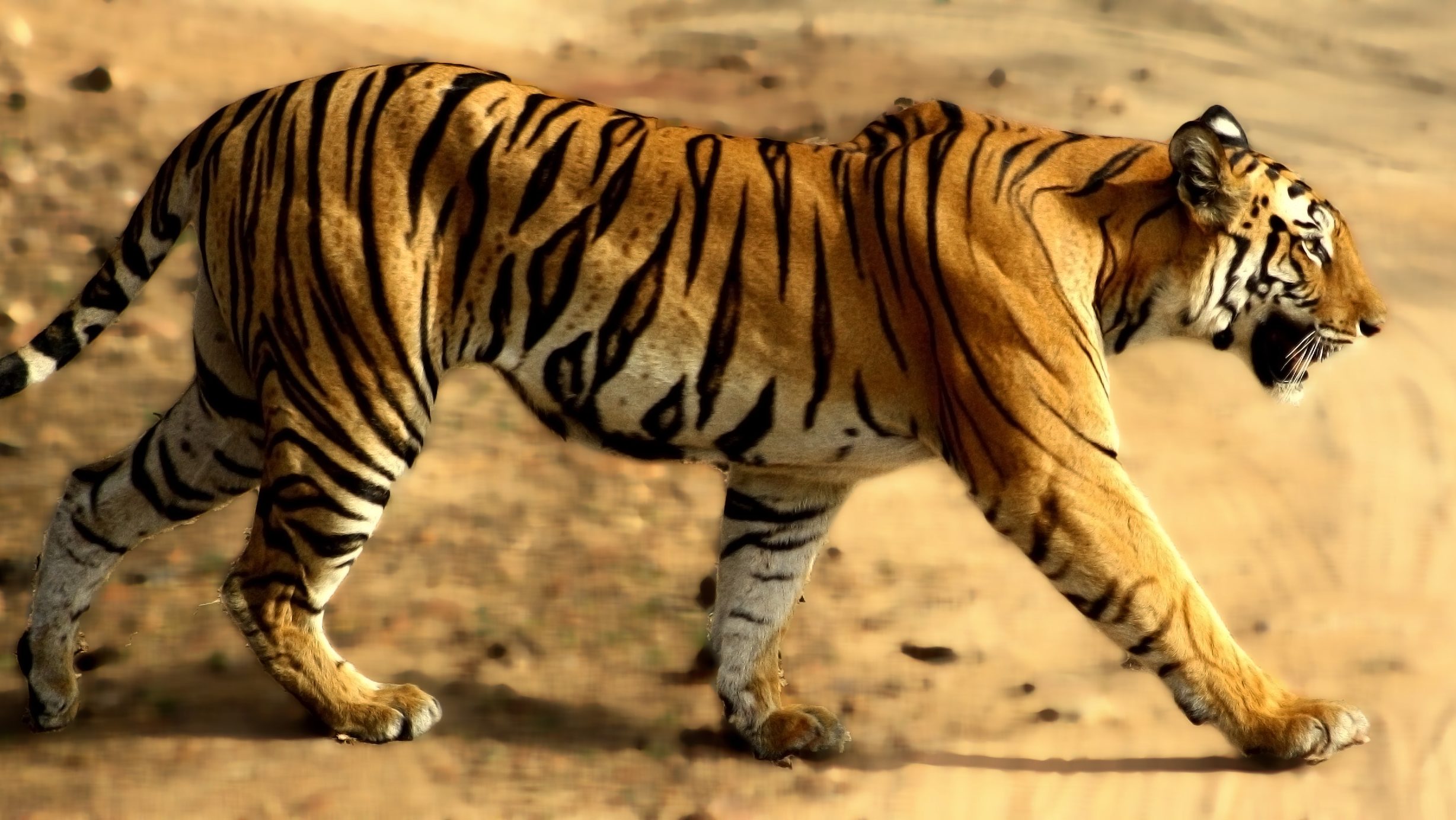
Speciality: Highest tiger density in the world
Plan Your Trip
Getting There
Nearest Airport: Jabalpur Airport (Dumna), ~190 km from Tala village
By Train: Umaria Railway Station, 35 km from the park entrance, connects to major cities
By Road: Well-connected via NH 39 and SH 11; taxis and buses available from Jabalpur, Katni, and nearby towns
Where to Stay?
Tala Village – closest to the national park, main tourist hub with resorts and lodges
Umaria Town – budget-friendly hotels and guesthouses for economical travelers
Packing List
- Neutral-colored clothing (beige, brown, olive green)
- Comfortable walking shoes and safari boots
- Warm jacket for early morning safaris (winter months)
- Sunscreen, sunglasses, and wide-brimmed hat
- Binoculars and camera with extra batteries
- Water bottle and hand sanitizer
Top Places to Visit
Bandhavgarh National Park
One of India’s premier tiger reserves with the highest density of Royal Bengal Tigers, offering thrilling jeep safaris through Sal forests and grasslands.
Bandhavgarh Fort
An ancient 2,000-year-old hilltop fort believed to be gifted by Lord Rama to his brother Lakshmana, featuring temples, caves, and panoramic views.
Shesh Shaiya
A stunning 11-meter-long reclining statue of Lord Vishnu from the 10th century, marking the source of the Charanganga River.
Badi Gufa (Giant Cave)
A large 10th-century man-made cave with nine rooms, believed to have been used by monks for meditation during ancient times.
Three Cave Point
Ancient caves with magnificent carvings and Brahmi inscriptions, now home to leopards, tigers, and sloth bears.
Baghel Museum
Located in the royal building of the Maharaja of Rewa, showcasing royal hunting equipment and the first white tiger discovered.
Tala Zone
The oldest and most popular safari zone with the highest tiger density, featuring the famous Chakradhara meadow.
Magadhi Zone
Dense forest zone known for excellent tiger sightings, with beautiful water bodies and diverse birdlife.
Khitauli Zone
A zone with dry-deciduous forest, recently become a hotspot for tiger sightings and home to wild elephant herds.
Cheshpur Waterfall
A natural waterfall in River Johila, located 50 km from Bandhavgarh, ideal for picnics and nature lovers.
Must-Try Experiences
Tiger Safari in Tala Zone
Experience the thrill of spotting Royal Bengal Tigers in their natural habitat with expert naturalist guides.
Jungle Photography
Capture stunning images of wildlife and landscapes with full-day photography safaris in the buffer zones.
Village Visits
Explore nearby tribal villages of the Gond and Baiga communities to understand their traditional lifestyle and crafts.
Bird Watching
Spot over 250 bird species including the Malabar Pied Hornbill, Asian Paradise Flycatcher, and migratory birds.
Nature Walks
Join guided nature walks around your resort to observe flora, smaller mammals, and birds in the buffer areas.
Local Cuisine
Breakfast: Poha, samosa, kachori with spicy chutneys
Lunch: Dal bafla, bhutte ki kees, palak puri with local sabzi
Snacks: Mawa-bati, ladoo, namkeen varieties
Culture & Local Life
Bandhavgarh derives its name from Hindu mythology and translates to “Brother’s Fort.” The region is home to indigenous Gond and Baiga tribal communities who maintain a close relationship with the forest. The park was once the hunting preserve of the Maharajas of Rewa, and all white tigers found in zoos worldwide trace their lineage to Mohan, a white tiger cub captured here in 1951. Local handicrafts and tribal art are available at small shops near Tala village. The annual Kabir Darshan Yatra in December allows visitors to trek to the fort on foot.
Local Insights
Languages: Hindi (primary), English understood in tourist areas
Getting Around: Jeeps for safari, taxis for local travel, resort transfers available
Safari Booking: Book safaris 90-120 days in advance online through MP Forest Department website
Safari Timings: Morning safaris start at sunrise; evening safaris begin 3 hours before sunset
Park Closure: Closed during monsoon (July-September) and Wednesday evenings
Safety Tips: Stay inside the jeep during safaris, avoid bright colors and loud noises, follow naturalist instructions, carry sufficient water during summer safaris
Enjoy Your Yatra!
 TheeraYatra
Leave a comment