Quick Overview
Best Time to Visit: October to March
Weather: Hot summers, pleasant winters, moderate monsoons
Budget: ₹1,500–₹7,000/day
Speciality: City of Raja Bhoja and Ancient Malwa Capital
Plan Your Trip
Getting There
Nearest Airport: Devi Ahilya Bai Holkar Airport, Indore, ~53 km from Dhar
By Train: Dhar Railway Station connects to Indore, Ujjain, Ratlam, and other major cities
By Road: Well-connected via NH52; regular buses from Indore, Bhopal, and Ujjain
Where to Stay?
Near Dhar Fort and Indore Road – central location with budget hotels and easy access to monuments
Jhira Bagh Palace Area – heritage stay options and proximity to historical sites
Packing List
- Light cotton clothing
- Comfortable walking shoes
- Sunscreen and sunglasses
- Light jacket for winter evenings
- Reusable water bottle
Top Places to Visit
Dhar Fort
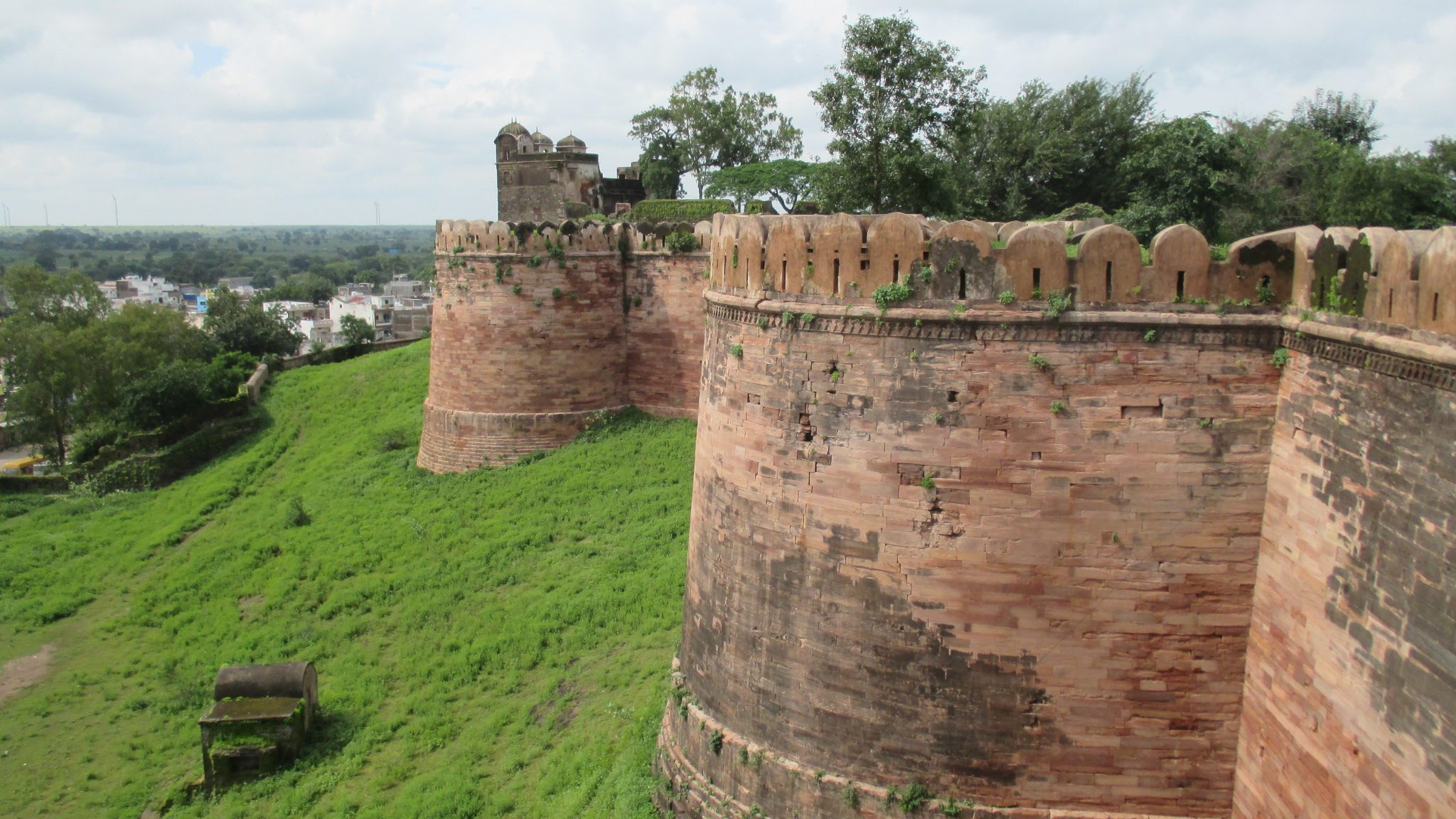
Built in 1344 by Sultan Muhammad Bin Tughlaq, this magnificent fort sits atop a rectangular hillock and showcases a unique blend of Hindu, Mughal, and Afghan architecture. The fort houses Kharbooja Mahal, Sheesh Mahal, and a museum.
Bhojshala
An 11th-century monument founded by Raja Bhoja as a center of learning. The complex features intricately carved pillars, Sanskrit inscriptions, and architectural elements that reflect the Paramara dynasty’s patronage of education and arts.
Mandu (Mandavgarh)
A UNESCO heritage site located 35 km from Dhar, featuring 61 magnificent monuments including Jahaz Mahal, Rani Roopmati Pavilion, Hindola Mahal, Hoshang Shah’s Tomb, and Jami Masjid. The legendary love story of Baz Bahadur and Rani Roopmati comes alive here.
Bagh Caves
Located 97 km from Dhar, these 5th-6th century rock-cut Buddhist caves feature stunning mural paintings executed in tempera technique. Cave 4, known as Rang Mahal, is renowned for its preserved artworks depicting Jataka tales and Buddhist themes.
Jhira Bagh Palace
A magnificent heritage property showcasing royal architecture and lush gardens. The palace offers a glimpse into the regal lifestyle of Dhar’s erstwhile rulers with its ornate interiors and period furnishings.
Kamal Maula Campus
A historic complex containing four tombs, including that of Shaykh Changal, a revered Sufi saint. The campus features Indo-Islamic architectural elements and provides insight into Dhar’s medieval spiritual heritage.
Lat Masjid
An elegant 15th-century mosque with a distinctive minaret and beautiful architectural details that reflect the Indo-Islamic style prevalent during the Sultanate period in Malwa.
Dhar Museum
Houses an impressive collection of sculptures, antiquities, inscriptions, and artifacts from various periods of Malwa’s history, including pieces from the Paramara dynasty and medieval eras.
Must-Try Experiences
Heritage Walk Through Old City
Explore the narrow lanes, ancient ramparts, and historical buildings of Dhar’s old quarter, discovering the city’s rich Paramara and Sultanate heritage.
Visit Mandu During Monsoon
Experience the romantic ambiance of Mandu’s palaces and pavilions when the surrounding valleys turn lush green and waterfalls come alive during the rainy season.
Cave Art Exploration
Marvel at the ancient Buddhist mural paintings at Bagh Caves, comparing them with the famous Ajanta style and learning about tempera painting techniques.
Local Handicrafts Shopping
Browse markets for authentic Bagh prints, Pithora paintings, Gatha stones, leather articles, and traditional teak woodwork crafted by local artisans.
Sunrise at Rani Roopmati Pavilion
Witness breathtaking views of the Narmada River valley from this hilltop pavilion in Mandu, where legend says Rani Roopmati would gaze at Baz Bahadur’s palace.
Local Cuisine
Breakfast: Poha-jalebi, kachori with chutney, samosa
Lunch: Dal pania (traditional Malwa dish), bhutte ki kees, dal bafla, Malwa thali
Snacks: Mawa-bati, khoprapak, malpua, shrikhand
Culture & Local Life
Dhar, derived from “Dharanagara” meaning City of Swords, was the capital of Malwa under the Paramara dynasty. Raja Bhoja, the most celebrated Paramara ruler, made Dhar a center of learning, arts, and architectural excellence in the 11th century. The city later came under the Delhi Sultanate, Mughals, and Marathas, each leaving their architectural and cultural imprint. The Malwa region’s influence is evident in the local cuisine, handicrafts, and festivals. Dhar’s artisans continue to practice traditional crafts like Bagh block printing, a technique inspired by the ancient cave paintings.
Local Insights
Languages: Hindi (primary), Marathi, Malwi dialect, English in tourist areas
Getting Around: Auto-rickshaws, taxis, and app-based cabs; buses available for Mandu and nearby attractions
Safety Tips: Carry adequate water during fort visits, respect religious sentiments at heritage sites, and plan Mandu visits with sufficient time for exploration
Enjoy Your Yatra!
 TheeraYatra
Leave a comment