Quick Overview
- Best Time to Visit: October to March
- Weather: humid summers
- Budget: ₹1,500–₹4,000/day
Plan Your Trip
Getting There
Nearest Major Railway Station: Tirur Railway Station
By Air: Calicut International Airport (Karipur), approximately 25 km from Malappuram town
By Road: Well-connected via NH66 and NH966; regular buses and taxis from Kozhikode, Palakkad, and Thrissur
Where to Stay?
Malappuram offers a range of accommodations, from budget lodges to comfortable hotels. For a serene experience, consider staying near Nilambur or Kottakkunnu.
Packing List
- Light cotton clothes (summer)
- Comfortable walking shoes
- Reusable water bottle
- Sunscreen and sunglasses
- Umbrella or raincoat (monsoon season)
Top Places to Visit & Things to Do
Kottakkunnu
A scenic hill garden offering panoramic views, amusement rides, and an open-air theater.
Nilambur Teak Museum
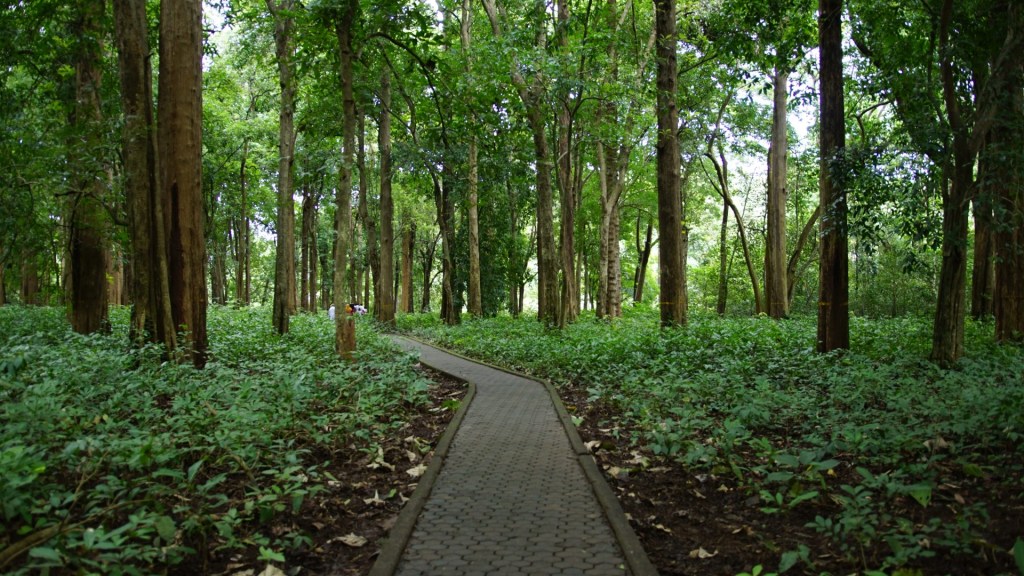
The world’s first teak museum, showcasing the history and significance of teak wood.
Kodikuthimala
Often referred to as the ‘Ooty of Malappuram,’ this hill station is ideal for trekking and nature walks.
Thirumandhamkunnu Temple
An ancient temple dedicated to Goddess Durga, known for its spiritual ambiance and festivals.
Kadalundi Bird Sanctuary
A haven for bird watchers, hosting numerous migratory and indigenous bird species.
Pazhayangadi Mosque, Kondotty
A historic mosque known for its architectural beauty and annual festivals.
Adyanpara Waterfalls
A picturesque waterfall nestled in the forests of Nilambur, perfect for a refreshing dip.
Tanur Beach
A serene beach offering a floating bridge experience, allowing visitors to walk over the sea.
Must-Try Experiences
Cultural Festivals: Participate in local festivals like the Malappuram Nercha and Pooram, showcasing traditional art forms and rituals.
Nature Trails: Explore the Western Ghats through guided treks and nature walks in areas like Nedumkayam and Arimbra Hills.
Local Markets: Shop for spices, handicrafts, and textiles at markets in Perinthalmanna and Manjeri.
Local Cuisine
- Breakfast: Erachi puttu, Pathiri, Velleppam
- Lunch: Malabar biryani, fish curry meals, meat kabsa
- Snacks: Unnakaya, kallummakkaya
- Beverages: Sulaimani (black tea), nannari sarbat
Culture & Local Life
Historical Significance: Malappuram played a pivotal role in Kerala’s history, especially during the Mappila Rebellion.
Art & Architecture: The district boasts a mix of traditional Kerala architecture and colonial influences.
Local Crafts: Renowned for its pottery, weaving, and woodcraft traditions.
Local Insights
- Language: Malayalam is widely spoken; English is understood in tourist areas.
- Souvenirs: Handmade pottery, spices, and traditional textiles.
- Local Transportation: Auto-rickshaws, taxis, and buses are commonly used.
Enjoy Your Yatra!
 TheeraYatra
Leave a comment