Quick Overview
Best Time to Visit: October to March
Weather: Cool winters, pleasant summers, monsoon magic
Budget: ₹2,000–₹8,000/day
Speciality: Queen of Satpura
Plan Your Trip
Getting There
Nearest Airport: Raja Bhoj Airport, Bhopal, ~200 km from Pachmarhi
By Train: Pipariya Railway Station, 47 km from Pachmarhi, connects to major cities across India
By Road: Well-connected via state highways; regular buses from Bhopal, Jabalpur, Nagpur, and Indore
Where to Stay?
Near Bus Stand and Main Market – budget hotels, easy access to local eateries and shops
Rock End Manor and Glen View – heritage properties with colonial charm and lush gardens
Packing List
- Light woolens for winter, cottons for summer
- Sturdy trekking shoes
- Raincoat and umbrella during monsoon
- Sunscreen and sunglasses
- Reusable water bottle
- Camera for stunning landscapes
Top Places to Visit
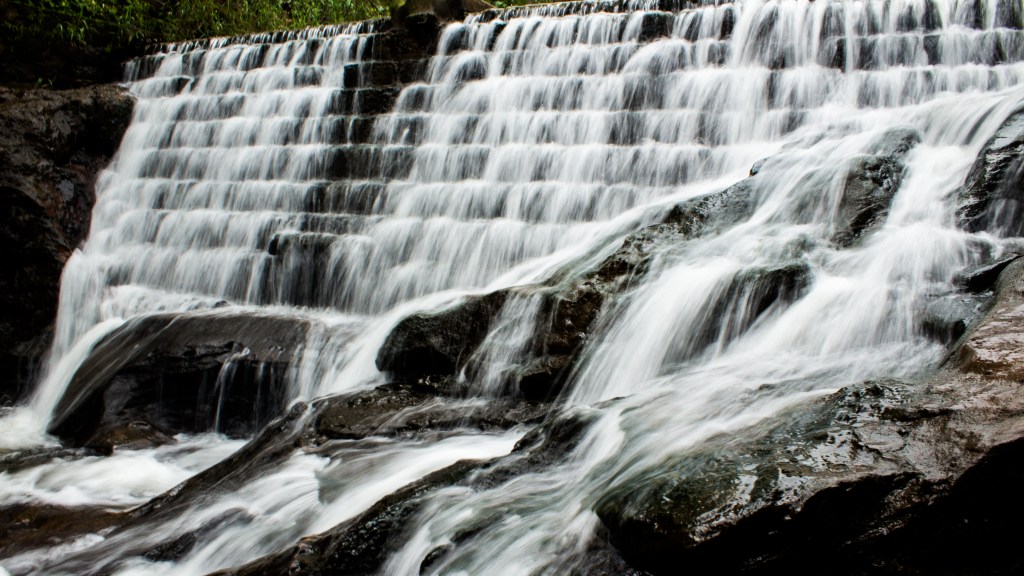
Bee Falls
A magnificent 35-meter waterfall that supplies drinking water to Pachmarhi, named for its buzzing sound as water flows through rocks.
Dhoopgarh
The highest point in the Satpura Range at 1,352 meters, offering breathtaking sunrise and sunset views above the clouds.
Pandava Caves
Five ancient rock-cut caves believed to have sheltered the Pandava brothers during their exile, featuring intricate sandstone carvings.
Jatashankar Temple
A sacred cave temple with naturally formed Shivalingams and rock formations resembling Lord Shiva’s matted hair and the serpent Sheshnag.
Apsara Vihar
A enchanting waterfall with a natural pool, named after British ladies who bathed here and were thought to be celestial fairies by locals.
Rajat Prapat
The stunning Silver Falls cascading from 350 feet, appearing like molten silver when sunlight strikes the water.
Satpura National Park
A UNESCO Biosphere Reserve home to leopards, Indian bison, giant squirrels, and over 300 bird species. Jeep safaris available.
Handi Khoh
A dramatic 300-foot deep ravine surrounded by dense forests, offering spectacular views and mythological significance.
Chauragarh Temple
A revered Shiva temple atop Chauragarh Peak, reached by climbing 1,380 steps, with thousands of tridents offered by devotees.
Priyadarshini Point
The spot where Captain James Forsyth discovered Pachmarhi in 1857, offering panoramic views of the hill station.
Christ Church
A beautiful colonial-era church built in 1892, blending Irish and French architecture with stunning Belgium stained glass windows.
Must-Try Experiences
Trekking to Chauragarh
Embark on an exhilarating trek through lush forests and steep paths to reach the sacred temple, witnessing stunning valley views.
Waterfall Trekking
Adventure through jungle trails to hidden waterfalls like Duchess Falls and Rajat Prapat, combining hiking with natural beauty.
Paragliding and Parasailing
Experience aerial thrills at Satpura Adventure Club, soaring above the verdant landscape and hills.
Night Safari
Explore the forest after dark to spot nocturnal creatures, see trees glowing with fireflies, and experience the jungle’s night sounds.
Stargazing
Marvel at crystal-clear night skies away from city lights, viewing constellations, the Milky Way, and countless stars.
Cycling Through Nature
Rent a bicycle and pedal through scenic routes connecting waterfalls, caves, and viewpoints on traffic-free forest paths.
Rock Climbing
Challenge yourself on natural rock formations with proper safety equipment and expert guidance.
Shopping for Local Honey
Purchase pure forest honey collected from deep in the Satpura woods, processed naturally without chemicals.
Local Cuisine
Breakfast: Poha with sev, Sabudana Khichdi, hot jalebis
Lunch: Dal Bafla with ghee, Bhutte ki Kees, traditional thalis
Snacks: Mawa Bati, local sweets, pakoras
Must-Try: Madhya Pradesh specialties like Korma, authentic Maharashtrian and Gujarati thalis available at local restaurants
Culture & Local Life
Pachmarhi is known as the “Queen of Satpura” and is the only hill station in Madhya Pradesh. The town has a rich colonial history, discovered by Captain James Forsyth in 1857. It’s part of a UNESCO Biosphere Reserve and holds deep mythological significance, believed to be where the Pandavas stayed during their exile. The area is administered by the Pachmarhi Cantonment Board and maintains its serene, heritage character. Local festivals include Pachmarhi Utsav and Nagdwari Mela, celebrating culture and adventure. The region is home to tribal communities including Mawasi, Korku, and Bhariya, whose traditions blend with the hill station’s colonial past.
Local Insights
Languages: Hindi (primary), English understood in tourist areas
Getting Around: Local jeeps and gypsy vehicles for sightseeing, bicycles for rent, taxis available; note that private cars from outside require permits and many attractions need forest passes from Bison Lodge Museum
Safety Tips: Hire registered guides for treks, be cautious near waterfalls during monsoon, avoid isolated forest areas after dark, respect wildlife and maintain distance
Permits: Day visit permits required from Bison Lodge Museum for most sightseeing; Satpura National Park requires separate entry permits
Enjoy Your Yatra!
 TheeraYatra
Leave a comment