Quick Overview
Best Time to Visit: October to February
Weather: Cool winters, warm summers, lush monsoons
Budget: ₹1,500–₹5,000/day
Speciality: Fort of Good People, Spiritual Capital of the Maratha Empire
Plan Your Trip
Getting There
Nearest Airport: Pune International Airport, ~120 km from Sajjangad
By Train: Satara Railway Station is the nearest railhead, approximately 16 km away, connected to major cities like Mumbai, Pune, and Kolhapur
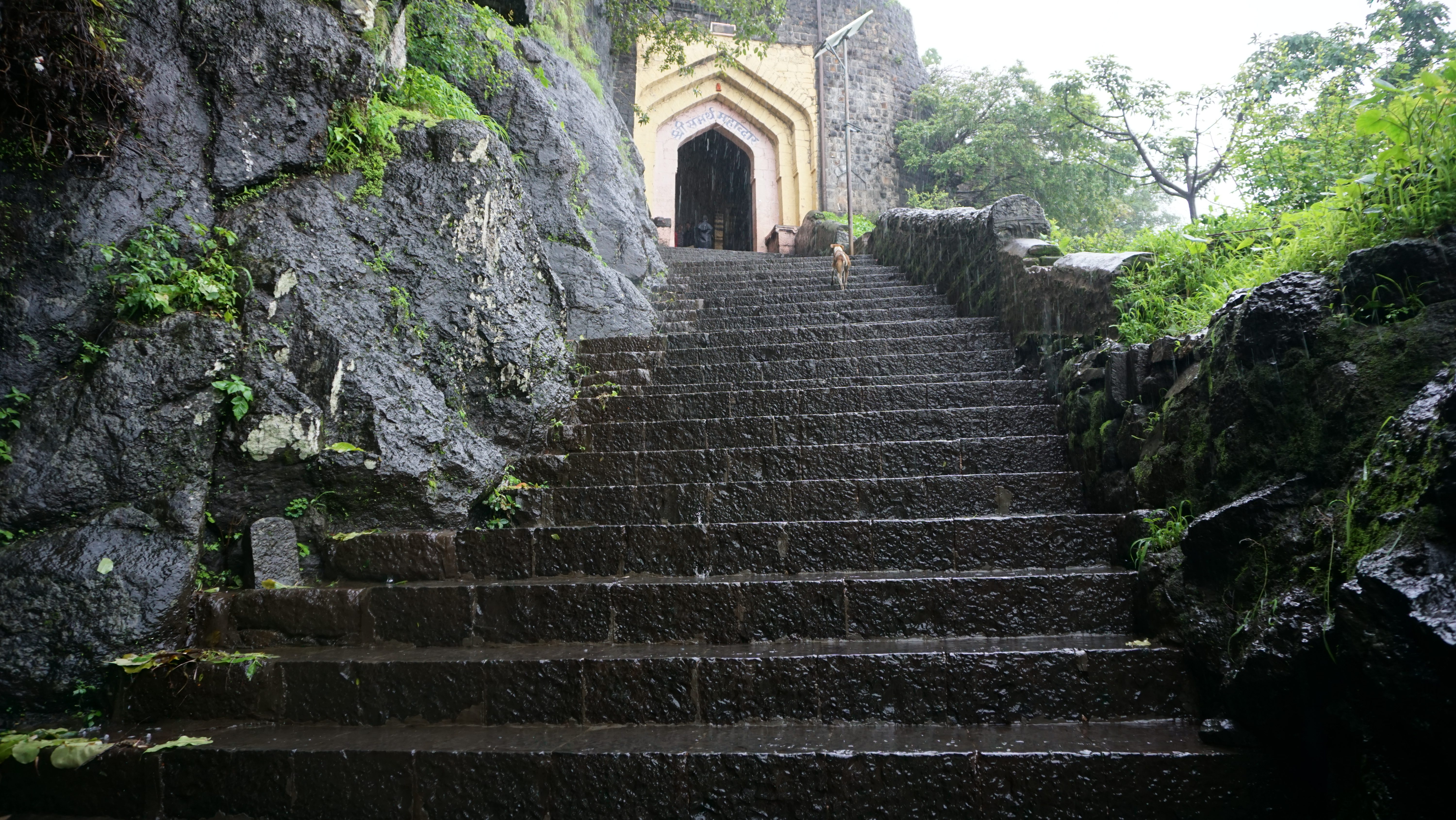
By Road: Well-connected via NH48; regular buses and taxis available from Satara, Mumbai, and Pune; vehicles can reach the parking area, followed by a 300-step climb
Where to Stay?
Satara City – budget hotels, lodges, and mid-range accommodations near the fort
On the Fort – free accommodation at Bhaktiniwas for pilgrims and spiritual seekers
Packing List
- Comfortable walking shoes for climbing steps
- Light cotton clothing in summer, warm layers in winter
- Water bottle and light snacks
- Hat and sunscreen for daytime visits
- Modest clothing for temple visits
Top Places to Visit
Samarth Ramdas Samadhi
The sacred shrine and final resting place of Sant Ramdas Swami, spiritual guru of Chhatrapati Shivaji Maharaj. The peaceful atmosphere invites meditation and spiritual reflection.
Ram Temple
A beautiful temple dedicated to Lord Rama, housing idols of Ram, Laxman, and Sita Devi, showcasing traditional Maratha architecture.
Hanuman Temple
The historic temple that existed during Ramdas Swami’s lifetime, located at the back of the fort with stunning panoramic views.
Anglai Devi Temple
An ancient temple dedicated to Goddess Anglai Devi, offering spiritual solace amidst the fort’s serene environment.
Urmodi Dam Viewpoint
Breathtaking views of the Urmodi Dam and its catchment area, especially mesmerizing during monsoon when the landscape turns lush green.
Kaas Plateau
A UNESCO World Heritage Site located 30 km away, known as the Valley of Flowers, featuring over 850 species of wildflowers blooming post-monsoon.
Thoseghar Waterfalls
Located 26 km from Sajjangad, one of Maharashtra’s most stunning waterfalls with cascades reaching 500 meters, spectacular during monsoon.
Ajinkyatara Fort
An ancient fort 18 km away, perched at 3,300 feet, offering panoramic views of Satara city and the surrounding Sahyadri ranges.
Must-Try Experiences
Attend Morning Prayers and Abhishek
Experience the daily spiritual routine that includes morning prayers, abhishek, puja, and bhajans performed at the shrine.
Partake in Free Mahaprasad
Enjoy the complimentary holy meal served to all visitors in the afternoon and evening, a tradition maintained by the trust for over 400 years.
Read Dasbodh Manuscripts
Participate in or observe the daily reading of Dasbodh, the philosophical work written by Sant Ramdas at this very fort.
Trek During Shiv Jayanti
Join thousands of devotees who walk up to the fort during Shiv Jayanti celebrations, experiencing Maharashtra’s rich cultural heritage firsthand.
Sunrise and Sunset Views
Witness spectacular sunrise or sunset views from the fort, with the Sahyadri hills and valleys creating a magical backdrop.
Local Cuisine
Breakfast: Poha, misal pav, sabudana khichdi
Lunch: Bhakri with pitla, bharli vangi, zunka bhakar
Snacks: Kanda bhaji, batata vada, kothimbir vadi
Must-Try Sweet: Kandi Pedha – Satara’s famous milk-based sweet with a unique brown color and smooth texture, prepared using the traditional kandi technique of double-frying khoa
Culture & Local Life
Sajjangad is known as the Fort of Good People and served as the spiritual capital of the Maratha Empire. The fort witnessed the composition of Dasbodh, Sant Ramdas’s philosophical masterpiece that guided rulers and commoners alike. The fort maintains a deeply spiritual atmosphere where devotees from across Maharashtra gather to seek blessings and practice meditation. Two trusts maintain the fort’s heritage and religious activities, ensuring the 400-year-old traditions continue uninterrupted. The fort opens from 5:00 AM to 9:00 PM daily, with entry and exit strictly restricted beyond these hours for safety and spiritual practices.
Local Insights
Languages: Marathi (primary), Hindi, English
Getting Around: Local buses, auto-rickshaws, and taxis from Satara; private vehicles can reach the parking area
Safety Tips: The 300-step climb can be slippery during monsoon; elderly visitors can use palanquin services available at moderate cost
Spiritual Etiquette: Dress modestly, maintain silence in prayer areas, and respect the sanctity of the shrine
Best Photography Time: Early morning or late afternoon for golden hour lighting; monsoon for lush landscapes
Enjoy Your Yatra!
 TheeraYatra
Leave a comment