Quick Overview
Best Time to Visit: October to March
Weather: Pleasant winters, hot summers
Budget: ₹1,500–₹8,000/day
Speciality: UNESCO World Heritage Buddhist Site
Plan Your Trip
Getting There
Nearest Airport: Raja Bhoj Airport, Bhopal, ~46 km from Sanchi
By Train: Sanchi has its own railway station; Vidisha Railway Station (10 km) and Bhopal Junction (46 km) connect to major cities
By Road: Well-connected via NH 146; regular buses and taxis available from Bhopal and Vidisha
Where to Stay?
MPT Gateway Retreat and The Utopia Resort – comfortable mid-range options near the Stupa with pools and good amenities
Hotel Sambodhi and local guesthouses – budget-friendly stays, basic facilities, close to monuments
Packing List
- Light cotton clothing for daytime
- Light woolens for winter evenings
- Comfortable walking shoes
- Sun hat and sunglasses
- Sunscreen
- Reusable water bottle
Top Places to Visit
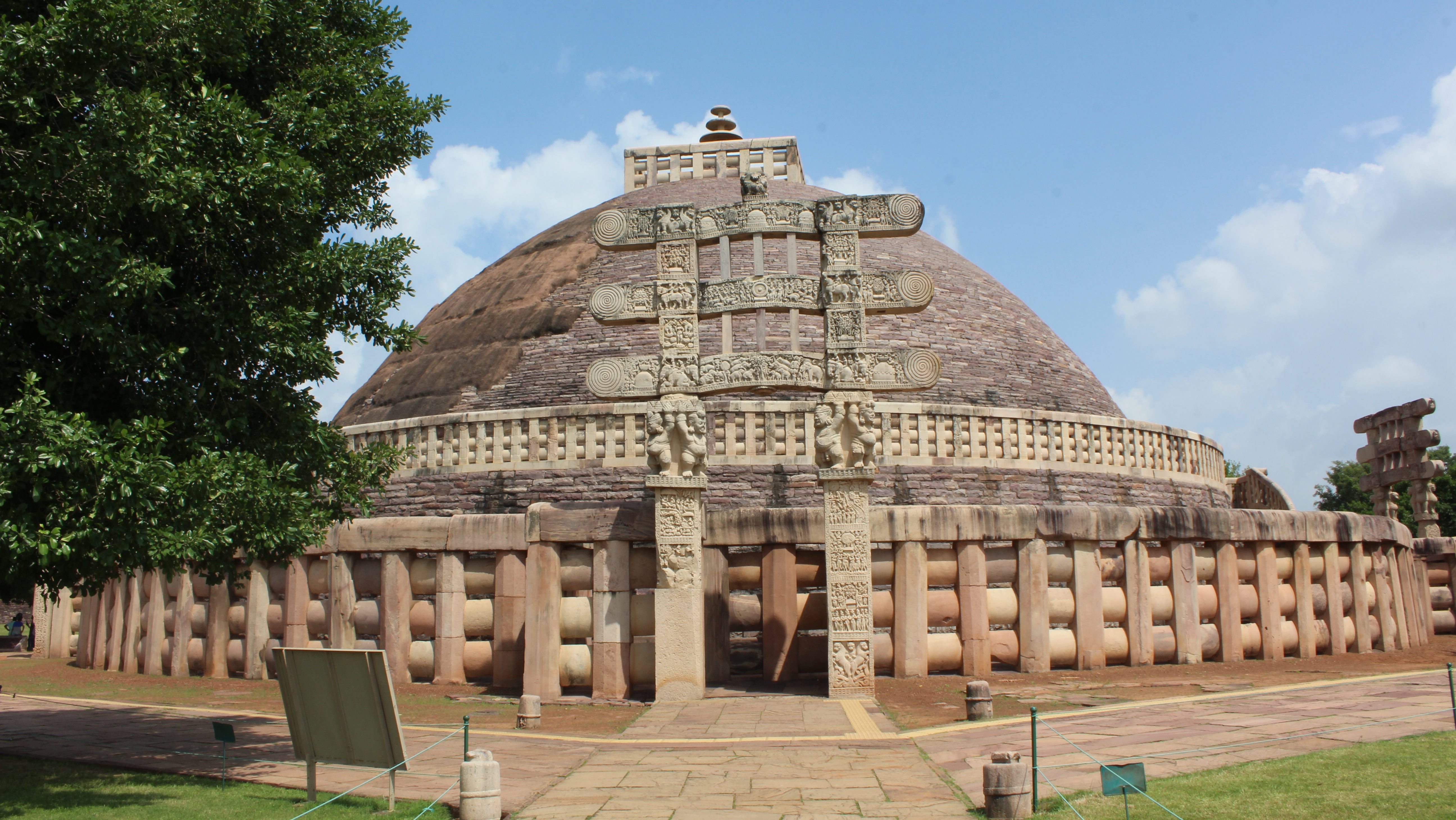
The Great Stupa (Stupa 1)
A magnificent hemispherical dome built by Emperor Ashoka in the 3rd century BCE, housing relics of Lord Buddha. The structure features four intricately carved toranas depicting scenes from Buddha’s life and Jataka tales.
Sanchi Stupa 2
Located on the hillside west of the Great Stupa, this smaller structure features some of the earliest decorative reliefs in India, dating to the 2nd-1st century BCE.
Ashoka Pillar
A monolithic polished stone pillar with the famous four-lion capital, symbolizing India’s national identity. The pillar showcases remarkable architectural balance and structural design.
Archaeological Museum
Established in 1919 by Sir John Marshall, the museum houses rare artifacts including the lion capital, ancient stone sculptures, metal objects used by monks, and relics from the 3rd to 1st century BCE.
Udaygiri Caves
Located 13 km from Sanchi, these 20 rock-cut caves from the 4th-5th century CE showcase stunning Hindu and Jain sculptures, including the famous Varaha avatar relief of Lord Vishnu.
Buddhist Monasteries
Ancient monastic complexes surrounding the stupas, offering insights into the lives of Buddhist monks and the rich heritage of Buddhist learning in ancient India.
Gupta Temple
Dating back to the 5th century CE, this temple represents one of the earliest examples of Hindu temple architecture in India with its simple yet elegant design.
Vidisha
Located 10 km from Sanchi at the confluence of Betwa and Bes rivers, this ancient town features the Heliodorus Pillar from 113 BCE and serves as a perfect complement to your Sanchi visit.
Must-Try Experiences
Sunrise at the Great Stupa
Visit early morning to witness the golden rays illuminating the ancient dome, creating a serene and spiritual atmosphere perfect for meditation and photography.
Chethiyagiri Vihara Festival
Attend this festival in late November celebrating Buddha’s disciples, featuring display of sacred relics, prayers, and cultural performances.
Guided Heritage Walk
Hire a knowledgeable guide to understand the intricate carvings on the toranas, their symbolic meanings, and the rich history behind each monument.
Cave Exploration at Udaygiri
Trek through the hillside caves and witness remarkable Gupta-era rock carvings, including the massive Varaha panel measuring 7×4 meters.
Photography Tour
Capture the architectural marvels, intricate stone carvings, and panoramic hilltop views that make Sanchi a photographer’s paradise.
Local Cuisine
Breakfast: Poha, samosa, kachori with jalebi
Lunch: Dal bafla, biryani, korma with traditional Madhya Pradesh flavors
Snacks: Bhutte ka kees, sabudana khichdi, kebabs
Culture & Local Life
Sanchi is a sacred Buddhist pilgrimage site recognized as a UNESCO World Heritage Site in 1989. The town embodies the spiritual legacy of Emperor Ashoka and the spread of Buddhism across Asia. Despite being a small village, Sanchi attracts pilgrims and history enthusiasts from around the world.
The site remained forgotten for centuries until its rediscovery in 1818 by General Taylor. The monuments you see today were carefully restored between 1912-1919 under Sir John Marshall’s supervision. The peaceful atmosphere and well-maintained gardens make it an ideal place for quiet contemplation.
Interestingly, Buddha himself never visited Sanchi, yet it became one of the most important Buddhist centers due to Ashoka’s connection through his wife Devi, who was from nearby Vidisha.
Local Insights
Languages: Hindi (primary), English understood at tourist sites
Getting Around: Walking is best for exploring the monument complex; taxis and autos available for Udaygiri and Vidisha
Safety Tips: Visit monuments between 8:30 AM – 5:30 PM; carry water especially in summer; hire authorized guides only; respect the sacred nature of the site
Enjoy Your Yatra!
 TheeraYatra
Leave a comment