Quick Overview
Best Time to Visit: October to March
Weather: Pleasant winters, hot summers
Budget: ₹1,500–₹8,000/day
Speciality: Ancient Vijayanagara Temples
Plan Your Trip
Getting There
Nearest Airport: Kempegowda International Airport, Bengaluru ~200 km away
By Train: Tadipatri Railway Station (TU) connects to major cities including Chennai, Mumbai, and Hyderabad
By Road: Well-connected via National and State Highways; APSRTC and private buses available from Anantapur, Bengaluru, and other cities
Where to Stay?
Tadipatri Town – budget lodges and guesthouses near the bus station and temples
Anantapur City – wider range of hotels and resorts, 52 km away, ideal for day trips to Tadipatri
Packing List
- Light cotton clothing
- Comfortable walking shoes
- Sun hat and sunglasses
- Sunscreen
- Reusable water bottle
- Camera for temple photography
Top Places to Visit
Chintala Venkataramana Swamy Temple
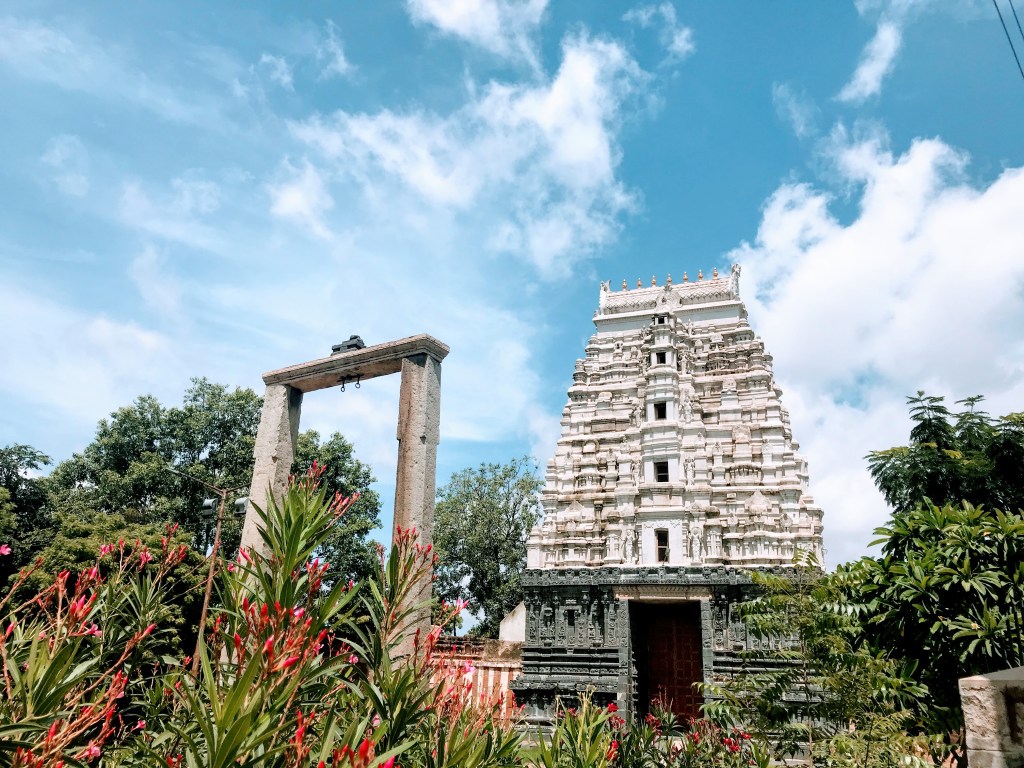
A 16th-century temple built during the reign of Krishna Devaraya, showcasing exquisite Vijayanagara architecture with intricate stone carvings and beautiful sculptures of gods.
Bugga Ramalingeswara Swamy Temple
A protected heritage site on the banks of Pennar River, famous for its mysterious natural spring that flows beneath the Shiva Lingam and musical stone pillars.
Aluru Kona Sri Ranganatha Swamy Temple
A hilltop temple 15 km from Tadipatri with small waterfalls and scenic valley views, built in 1334 AD.
Chennakesava Swamy Temple, Chukkaluru
An 8th-century temple on the Tadipatri-Gooty road featuring Dravidian-style architecture with black stone construction and octagonal pillared mandapa.
Thimmamma Marrimanu
The world’s largest banyan tree located 70 km from Tadipatri, covering 5 acres and holding a Guinness World Record, with a temple dedicated to Thimmamma.
Penukonda Fort
A historic fort 70 km from Tadipatri that served as the Vijayanagara Empire’s capital, featuring the Gagan Mahal palace and Babayya Darga shrine.
Lepakshi Temple
Located 75 km from Tadipatri, this 16th-century Veerabhadra Temple is famous for its hanging pillar, massive Nandi statue, and stunning frescoes depicting Vijayanagara art.
Gooty Fort
One of Andhra Pradesh’s oldest hill forts, situated 52 km away at 300 meters elevation, offering panoramic views and rich historical significance.
Must-Try Experiences
Temple Architecture Tour
Explore the twin temples of Tadipatri to witness the finest examples of Vijayanagara sculpture and architecture, often compared to Hampi’s grandeur.
Photography at Sunset
Capture the golden hour light on the ancient stone carvings and gopurams at Bugga Ramalingeswara Temple by the riverside.
Attend Maha Shivaratri Festival
Experience the grand celebrations at local temples with thousands of devotees, special rituals, and cultural performances.
Village Walk
Stroll through the narrow lanes of Tadipatri town to experience authentic rural Andhra life and traditional architecture.
Visit Thimmamma Marrimanu
Witness the world’s largest banyan tree and seek blessings at the temple, especially beautiful during the annual Jatara festival.
Local Cuisine
Breakfast: Crispy dosas, soft idlis, pongal with ghee
Lunch: Pulihora (tamarind rice), ragi sangati with sambar, Andhra meals on banana leaf
Snacks: Mirchi bajji, dal vada, masala dosa, gutti vankaya curry
Dinner: Gongura mutton, biryani, roti with spicy curries
Sweets: Pootharekulu (rice paper sweet), traditional jaggery-based sweets
Culture & Local Life
Tadipatri is a historic town in the Rayalaseema region, renowned for its ancient temples built during the golden era of the Vijayanagara Empire. The town showcases some of the finest stone sculptures and carvings that rival even Hampi’s monuments. Local life revolves around agriculture and traditional handloom weaving, with the town famous for its sarees and fabrics. The predominant language is Telugu, and the community celebrates Hindu festivals with great fervor, particularly Shivaratri, Ugadi, and Sankranti. The twin temples are considered architectural masterpieces that preserve the heritage of Vijayanagara craftsmanship.
Local Insights
Languages: Telugu (primary), Hindi and English understood in tourist areas
Getting Around: Auto-rickshaws, local buses, and hired taxis available for temple visits
Safety Tips: Carry cash as ATMs are limited; stay hydrated in summer; dress modestly for temple visits
Best Photography Time: Early morning and late afternoon for temple exteriors
Temple Etiquette: Remove footwear before entering; photography may be restricted inside sanctums
Enjoy Your Yatra!
 TheeraYatra
Leave a comment