Quick Overview
Best Time to Visit: October to January
Weather: Monsoon: lush and wet; Winter: crisp and pleasant; Summer: warm and humid
Budget: ₹1,500–₹5,000/day depending on stay and activities
Plan Your Trip
Getting There
By Air: Nearest major airports are Dabolim (Goa, ~170 km) or Hubli (~175 km); from there, take a cab to Kumta or Sirsi and then to Yana
Nearest railway station: Kumta Railway Station (~30 km); taxis or autos are available to reach Yana
By Road: Accessible via Kumta–Sirsi or Sirsi–Ankola roads; the last stretch (~12 km) passes through dense forest before a short trek
Where to Stay?
- Kumta or Gokarna – For beach vibes, café culture, and laid-back stays
- Sirsi – Closer to Yana, with scenic homestays and a cooler climate
Packing List
- Grip-friendly trekking shoes (especially during monsoon)
- Light rain jacket or poncho
- Sunscreen, hat, and sunglasses
- Reusable water bottle and snack bars
- Small backpack with essentials like flashlight and camera
Top Places to Visit
Yana Rocks (Bhairaveshwara & Mohini Shikharas)
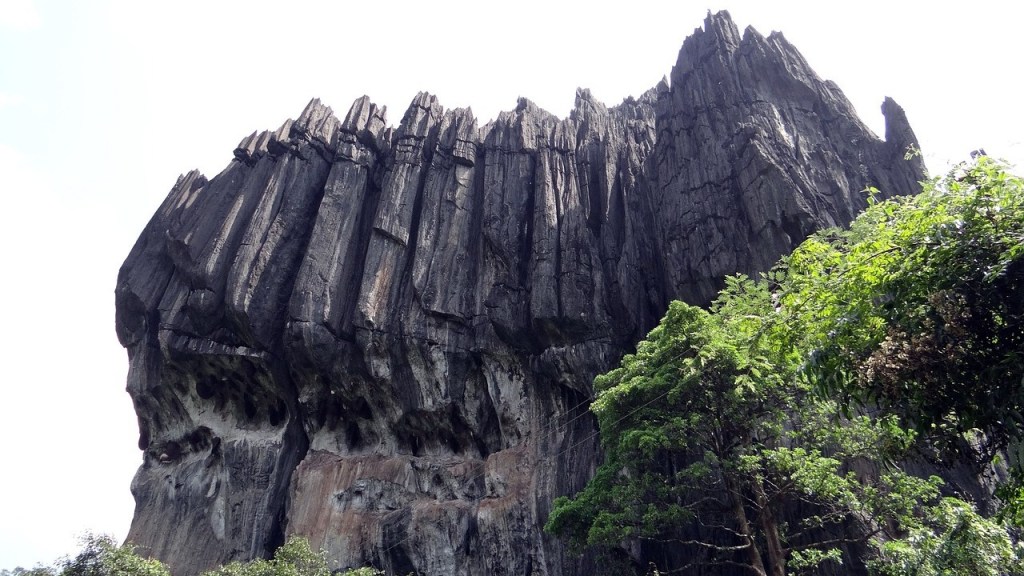
Towering limestone formations surrounded by thick forests. The trek leads to a cave shrine with a naturally formed Shiva linga.
Vibhuti Falls
A beautiful multi-tiered waterfall nestled in greenery, perfect for a short detour and a refreshing break.
Forest Trails
The surrounding Western Ghats offer peaceful trekking paths, bird-watching spots, and native flora-rich landscapes.
Must-Try Experiences
- Spiritual Visit – Meditate or offer prayers inside the cave temple beneath the majestic rock
- Monsoon Trek – Brave the slippery, misty trails for an enchanting, rain-drenched experience
- Rock Climbing – Rugged limestone cliffs attract adventure enthusiasts
- Photography Expedition – Capture dramatic landscapes where black rocks rise against green canopies
Local Cuisine
Breakfast: Masala dosa, idli with chutney, poha
Lunch: Traditional coastal thali with rice, fish curry, and vegetable sambar
Snacks: Banana chips, coconut water, local fruits
Culture & Local Life
Yana belongs to Karnataka’s Malenadu region, known for its pristine forests, folk traditions, and medicinal plants. The local culture is rooted in nature and spirituality. The village is recognized as one of the cleanest in South India, preserving both its natural and cultural heritage.
Local Insights
Languages: Kannada (local), Konkani and Marathi in surrounding areas; English is moderately spoken
Getting Around: Shared autos or cabs from Kumta or Sirsi; trekking on foot is essential to reach the rock site
Safety Tips:
- Wear proper footwear to handle muddy and rocky trails
- Avoid trekking alone; stick to known paths
- Use insect repellent, especially during monsoon
Enjoy Your Yatra!
 TheeraYatra
Leave a comment